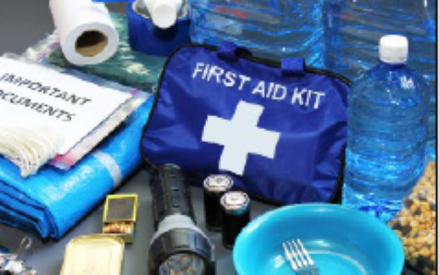
In the aftermath of a natural disaster (or disaster of any kind), things can be chaotic. ATMs may not be working, phone lines and Internet might be down and businesses that you need to contact may not be staffed. It’s important to think ahead about how you will keep your money and your personal financial information safe to help you get through the crisis.
- Keep cash in a locked box. It’s a good idea to have cash on hand in case credit and debit card readers are not working. Because this may be a larger amount than you normally have on hand, it’s important to keep the cash secure. You can purchase lockboxes with combinations that will help ensure that only you can get that money when you need it.
- Gather key documents, passwords and contacts in one secure spot. If a disaster were to happen tomorrow, do you know where your home/renters insurance policy is located? If something were to happen to you, is there a trusted individual who would be able to access your accounts? In the event of an emergency, you don’t want to be scrambling to find your important papers. Take time now to gather those documents in one place – ideally, a locked file box. Be sure to include a list of your financial account information (savings, checking, investment and retirement accounts). It may also be helpful to create an electronic list of your account usernames and passwords, save it to a flash drive, and put that in your lockbox with the cash mentioned in the step above. You could also share that information with someone who you trust who doesn’t live in your area, i.e., someone who won’t be impacted by the disaster. Note that your passwords are extremely sensitive information, so be cautious about who you grant access to.
- Build community. It may seem strange to see this step mentioned in a list of how to keep your personal information safe, but as disaster expert Dr. Samantha Montano says, “the best first responders are your neighbors.” Building networks with those in your immediate area can help speed up recovery after a disaster. We have all heard stories of tornadoes that level one house while leaving the one next door completely intact. Bonds with your neighbors can provide quick support after an unexpected event. Does your neighborhood have a sharing library? Similar to Little Free Libraries, local sharing libraries are collections of tools and other supplies that aren’t needed on a daily basis that neighbors pool so that everyone can access them. Establishing a sharing library in your neighborhood could help keep you from having to purchase supplies after a disaster, thus helping you save money.
- Sign up for emergency alerts. Having up- to-the-minute information about unexpected events can help you gather important financial information before disaster strikes. Search your city, town, or county webpage for ways to sign up for alerts so that you’ll be notified when an emergency is on the way
How To Protect Yourself from Fraud and Scams After a Disaster
When disaster strikes, scammers and fraudsters are unfortunately not far behind. Keep these tips in mind as ways to protect yourself and your finances.
- Be Skeptical of Unsolicited Offers
- Avoid giving personal information to unknown callers, emails or door-to-door visitors.
- Verify credentials of anyone claiming to be from a government agency, insurance company or charity.
- Use Trusted Sources
- Get information and assistance from officialgovernment websites, local emergencymanagement offices or recognized nonprofits like the American Red Cross.
- Check reviews and licenses before hiring contractors or repair services.
- Watch for Charity Scams
- Get information and assistance from officialgovernment websites, local emergencymanagement offices or recognized nonprofits like the American Red Cross.
- Check reviews and licenses before hiring contractors or repair services.
- Monitor Financial Accounts
- Regularly check bank and credit card statements for unauthorized transactions.
- Consider placing a fraud alert or credit freeze with credit bureaus if your personal information may have been compromised. This article from the Consumer Financial Protection Bureau explains how to place a freeze on your credit: https://www.consumerfinance.gov/ask-cfpb/what-is-a-credit-freeze-or-security-freeze-on-my-credit-report-en-1341/.
- Protect Personal Information
- Shred documents with sensitive information before disposal.
- Avoid sharing Social Security numbers, bank account details or insurance info unless absolutely necessary and with verified entities.
- Be Cautious with Insurance Claims
- Work directly with your insurance companyand avoid third parties offering to “speedup” your claim.
- Never sign blank insurance forms or contracts you don’t fully understand.
- Use Secure Communication
- Avoid clicking on links in unsolicited emails or texts.
- Use official apps or websites for disaster relief applications and updates.
- Report Suspicious Activity
- Contact the Federal Trade Commission (FTC): https://www.ftc.gov/, Better Business Bureau (BBB): https://www.bbb.org/ or local law enforcement to report scams.
- Alert neighbors and community members toknown scams.
- Stay Informed
- Follow local news and official alerts forupdates on disaster recovery and knownscams in your area.
- Attend community meetings or webinars on fraud prevention.
- Keep Records
- Document all communications and transactions related to disaster recovery.
- Save receipts, emails, and photos of damage for insurance and legal purposes.
Financial security after a disaster starts with preparation and vigilance. By safeguarding cash and critical documents, building trusted networks, and staying informed through official alerts, you can reduce stress and maintain control during uncertain times. After the event, protect yourself from fraud by relying on verified sources, monitoring your accounts, and reporting suspicious activity promptly. Taking these steps now ensures that when disaster strikes, your finances—and your peace of mind – remain as secure as possible.
Co-authors:
Sara Croymans, MEd, AFC Extension Educator, Family Resiliency and Extension Professor, University of Minnesota Extension Laura Hendrix, Ph.D, AFC Professor, University of Arkansas System Division of Agriculture Cooperative Extension Service